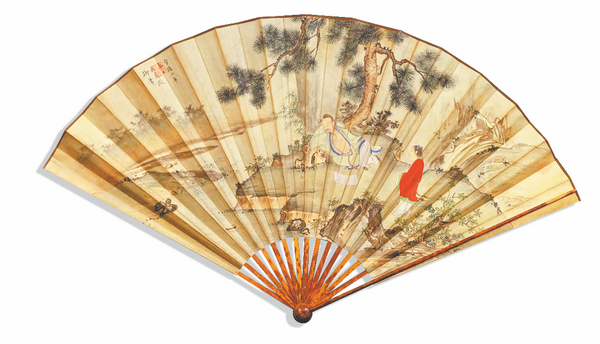
Chinese Folding Fan
Introduction
The Chinese folding fan is a symbol of grace and a revered art form deeply embedded within Chinese culture. It transcends its practical use of providing relief from the summer heat to become an embodiment of artistry and cultural expression. Each fan is a portable masterpiece, a testament to the artistic sensibilities and cultural heritage of China. The intricate design and craftsmanship behind these fans reflect a long-standing tradition that has been cherished by Chinese literati throughout the ages. The folding fan is not merely an object of utility; it is a reflection of Chinese aesthetics, history, and the cultural importance placed on artistic expression.
History
The origins of the Chinese folding fan can be traced back to ancient times, evolving over centuries into an iconic cultural symbol. Initially, fans were used in China for practical purposes, such as providing shade and air circulation. However, as the folding fan emerged, it gained popularity in the 14th century due to its portability and artistic potential. This transition marked the folding fan's integration into the cultural and artistic landscape of China. The folding fan's design and craftsmanship developed alongside advancements in Chinese art and culture, with various materials and techniques being employed to enhance its aesthetic appeal and functionality.
Types and Designs
Materials Used
Chinese folding fans are crafted from a variety of materials, each selected for its aesthetic and functional qualities. Bamboo is a prominent material, particularly sought after for its durability and the natural elegance it imparts to the fan's structure. Different types of bamboo such as "jade bamboo" and "plum-deer bamboo" are used depending on the desired visual effect. Other materials like sandalwood, ivory, and tortoiseshell also add unique characteristics, enhancing the fan's beauty and rarity. The choice of materials reflects the artistic preferences and intentions behind each fan's creation, contributing to its overall artistic value.
Patterns
The designs on Chinese folding fans often incorporate a wide range of patterns and motifs, each with its own cultural significance. Traditional patterns include depictions of mythological creatures, landscapes, and the "four noble plants": bamboo, plum, chrysanthemum and orchid. These motifs are not only decorative but also imbued with symbolic meanings, often conveying themes of virtue, resilience, and harmony with nature. The intricate patterns on folding fans are achieved through skilled painting and calligraphy, showcasing the artistic prowess of their creators. These designs serve as a visual narrative, reflecting the cultural heritage and aesthetic sensibilities of Chinese art.
Craftsmanship
The craftsmanship involved in creating Chinese folding fans is a sophisticated process that requires precision and artistry. Techniques such as carving, painting and calligraphy are employed to transform simple materials into exquisite works of art. The carving of fan ribs, usually made from bamboo, involves controlled spontaneity, where the artisan uses a carving knife to create graceful lines and elegant forms. Each movement of the knife is deliberate, contributing to the fan's overall aesthetic. Painting and calligraphy on the fan's surface are characterized by a balance of precision and spontaneity, embodying the essence of Chinese artistic expression.
Throughout history, numerous craftsmen have contributed to the rich tradition of Chinese folding fan making. One such master is Xu Jiadong, known for his exceptional skill in crafting fan ribs. Xu's approach emphasizes the artistic integrity of handcrafted fan ribs, which he considers essential to the fan's overall beauty. His dedication to preserving traditional techniques and aesthetics has earned him recognition as one of China's finest fan makers.
Uses and Applications
Traditional Uses
Traditionally, Chinese folding fans served multiple purposes beyond their practical use in providing relief from heat. They were used in important social and cultural contexts, often as symbols of status and refinement. Folding fans were integral to various rituals and ceremonies, where they were employed as ceremonial objects or as part of traditional performances, such as Peking Opera. The folding fan was also considered an accessory that conveyed the cultural sophistication of its owner, often used in literary gatherings and artistic circles to demonstrate one's artistic taste and appreciation for Chinese culture.
Modern Applications
In contemporary times, Chinese folding fans continue to hold cultural significance while adapting to modern contexts. They are used as decorative items, souvenirs and fashion accessories, appealing to both local and international audiences. Folding fans have found their place in modern art and design, influencing fashion and interior decoration. The resurgence of interest in traditional Chinese culture has also led to innovative adaptations of folding fans in popular culture, where they feature in films, performances, and exhibitions. These modern adaptations reflect the enduring appeal and versatility of the folding fan as a symbol of Chinese art and culture.
Collection and Preservation
The collection and preservation of Chinese folding fans have become significant endeavors, driven by an appreciation for their historical and artistic value. Collectors and museums recognize folding fans as valuable cultural artifacts, seeking to preserve their craftsmanship for future generations. Efforts to preserve folding fans involve meticulous care and restoration to maintain their structural integrity and aesthetic appeal. The study of folding fans also provides insights into Chinese art history and cultural practices, contributing to a broader understanding of the cultural heritage they represent. Preservation initiatives ensure that the legacy of Chinese folding fans continues to be cherished and celebrated.








